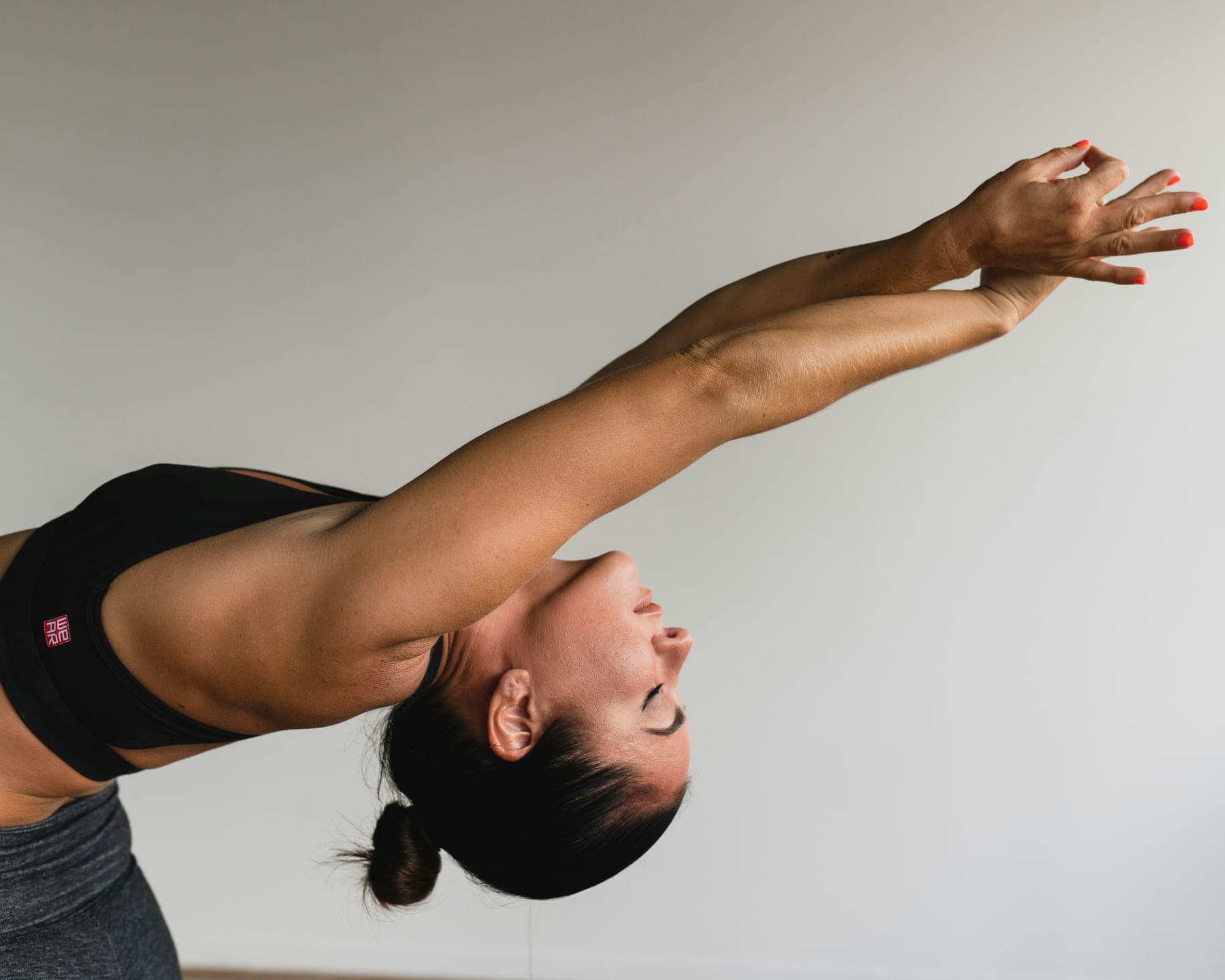
Nervous system regulation exercises come in many forms, and each form does something different to your body. This guide walks through what's actually happening when you move, why different qualities of movement help in different ways, and how to pick the right practice for the state you're in right now.
What Nervous System Regulation Exercises Are
Your nervous system has two main modes. One ramps you up to handle threat or demand, called the sympathetic state. The other helps you rest, digest, and recover, called the parasympathetic state. A regulated nervous system moves smoothly between these two. A dysregulated one gets stuck, either in chronic activation, in shutdown, or oscillating between the two without finding ground.
Nervous system regulation exercises are the practices that help your body move out of being stuck and back into flow.
There are four main families of nervous system regulation exercises: breathwork, meditation, movement, and journaling. Each one works through different mechanisms. Breathwork shifts your physiology directly through the breath. Meditation rewires the brain regions that drive emotional reactivity. Journaling brings unconscious patterns into awareness so they can be processed. Movement helps your body release what it's been holding, rebuild its sense of itself, and signal safety back to your brain.
This guide focuses on movement, but the deeper work happens when you combine all four. Different states call for different tools, and no single practice solves everything. If you want to understand how nervous system regulation works at a deeper level, this guide to nervous system regulation covers the foundational concepts.
Why Your Body Holds Stored Stress
When stress shows up in the moment, your body activates. Heart rate goes up, muscles tense, breath gets shallow, attention narrows. This is the sympathetic response and it's designed to help you handle whatever is in front of you.
The problem is that the activation doesn't always get to complete. You finish the meeting, the conversation, the deadline, but the activation that mobilized your body never gets discharged. So it stays in the tissues. Tension settles in your shoulders, your jaw, your hips. Your breath stays shallow even when nothing is wrong. Your body holds the response long after the situation that triggered it has passed.
Over time, this accumulates.
You feel it as wired but tired, awake at 2am with a body that won't settle. Tension that doesn't release no matter how much you stretch. A pit in your stomach you can't talk yourself out of. Restlessness when you try to rest. The inability to sit still even when sitting is what your body needs.
This is what nervous system regulation exercises address. They give the body a way to discharge what it never got to release, rebuild the connection between mind and body, and signal that the threat has passed.
How Movement Helps Your Body Release Stored Stress
Movement works on a dysregulated nervous system through three distinct mechanisms. Each one is backed by research, and together they explain why moving your body is one of the most direct ways to regulate.
Movement Discharges Held Activation
When stress activates your body, the activation needs somewhere to go. In the wild, animals discharge it through trembling and shaking after a threat passes. Humans evolved with this same mechanism, but modern life rarely gives us the chance to use it.
Movement reopens that channel. When you move your body intentionally, you complete the cycle that stress started. The shoulders that tightened during the difficult conversation get to release. The legs that wanted to run get to move. The breath that constricted gets to expand.
This is the mechanism behind practices like somatic shaking and TRE (Tension and Trauma Releasing Exercises). A pilot study on caregivers in South Africa found that self-induced therapeutic tremors produced measurable improvements in stress, anxiety, and quality of life over a ten-week training. The body, given permission and a method, knows how to release what it's been holding.
Movement Rebuilds Your Connection to Your Body
The second mechanism is interoception, the skill of sensing what's happening inside you. People who have been chronically stressed or are in burnout almost always have reduced interoception. They've spent so long pushing through, ignoring the signals, and overriding fatigue that they've lost the thread of what their body is actually telling them.
Movement rebuilds that thread. When you practice slow, intentional movement, you start noticing things again. The tightness in one hip that you'd never registered. The breath that catches when you twist a certain way. The fatigue that lives behind the alertness.
A 2025 meta-analysis of 29 studies found that mind-body practices reliably improve interoceptive awareness, with consistent benefits across yoga, meditation, and other body-based practices. This matters because you can't regulate a nervous system you can't feel. Interoception is the precondition for change.
Movement Signals Safety to Your Nervous System
The third mechanism is safety. Your nervous system is constantly scanning for cues about whether you're safe or under threat. Slow, rhythmic, controlled movement is one of the most direct ways to send the signal that you're safe.
This works through your vagus nerve, the largest nerve in your parasympathetic system. When you move slowly and deliberately, especially with breath coordination, you increase what's called vagal tone, which is your body's capacity to shift out of stress and into rest.
A meta-analysis of 17 randomized controlled trials on mind-body movement practices found that tai chi and yoga produce significant improvements in heart rate variability, a key marker of nervous system flexibility, along with large reductions in perceived stress. The slower the movement, the stronger the signal.
All three mechanisms are part of why Breathtaking's multi-modal approach has been reviewed and endorsed by a clinical psychologist.
The Four Qualities of Movement for Nervous System Regulation
Not all movement does the same thing. A vigorous yoga flow energizes you. A long held yin pose releases tension you didn't know was there. A qigong sequence brings you into rhythm with your breath. Each has a different effect on your nervous system, and the practice that helps you on a hyperaroused morning is not the practice that helps you when you're shut down and exhausted.
There are four qualities of movement that map well to nervous system regulation.
Gentle movement soothes an activated system. It's slow, supported, and asks very little of you. This is what your body needs when you're in hyperarousal: anxious, wired, on edge, unable to settle.
Dynamic movement discharges held activation. It's active, intentional, and gets things moving. This is what your body needs when stress has been building and your system needs a release, or when you're stuck in low-grade anxiety that won't shake off.
Stillness teaches your body to stay with itself. It's about holding a position long enough that the surface tension drops and you meet what's underneath. This is what your body needs when you've been running from something and need to face it.
Flow movement restores rhythm to a dysregulated system. It coordinates breath with movement in a way that brings the whole nervous system back into coherence. This is what your body needs when you feel scattered, disconnected, or out of sync with yourself.
The practices that follow are organized by these four qualities. You don't need to do all of them. You need to know which one your body is asking for today.
Nervous System Regulation Exercises by Movement Type
What follows is a set of seven movement practices, grouped by quality. Each one comes from a different tradition and works on the nervous system in a different way. You don't need to learn all of them. You need to find the one or two that match where you are right now and start there.
Gentle Movement
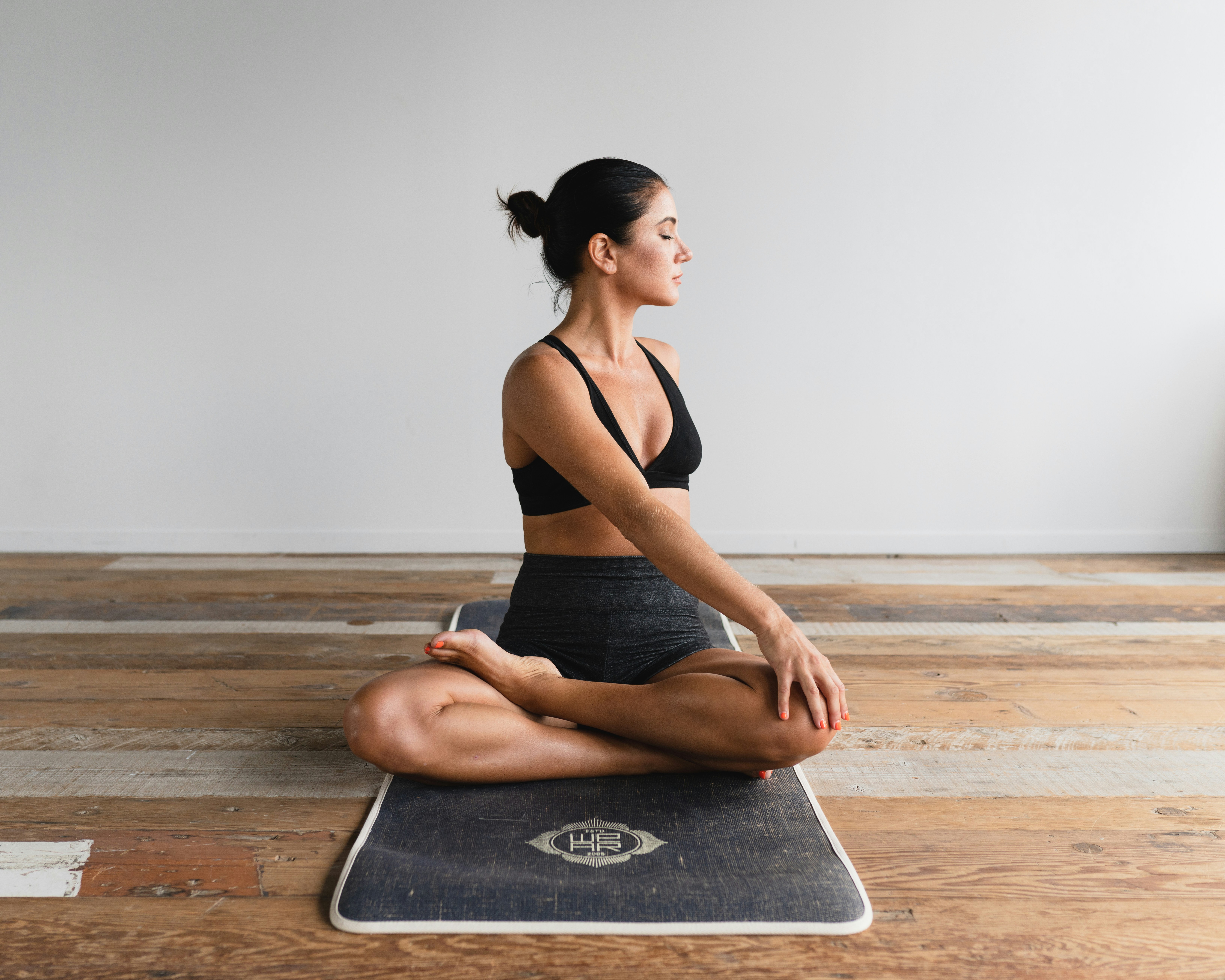
Gentle movement is what you reach for when your nervous system is activated and needs to come down. It's slow, supported, and doesn't ask your body to work harder than it already is.
Restorative Yoga uses bolsters, blankets, and walls to support your body in passive poses for five to twenty minutes at a time. There's no effort, no stretching toward something, no goal beyond letting the body settle. The poses are designed to give the parasympathetic nervous system the conditions it needs to take over. Research on restorative yoga has shown reductions in inflammatory signaling and improvements in mood in clinical populations.
EFT Tapping combines gentle finger tapping on acupressure points with statements that acknowledge what you're feeling. It comes from a blend of Eastern energy traditions and Western psychology. A 2023 systematic review found EFT produces large effects on PTSD, anxiety, and depression. What it most likely does is combine gentle physical input, attentional focus, and self-acceptance language to calm the system. It's genuinely useful for acute anxiety in the moment.
Dynamic Movement
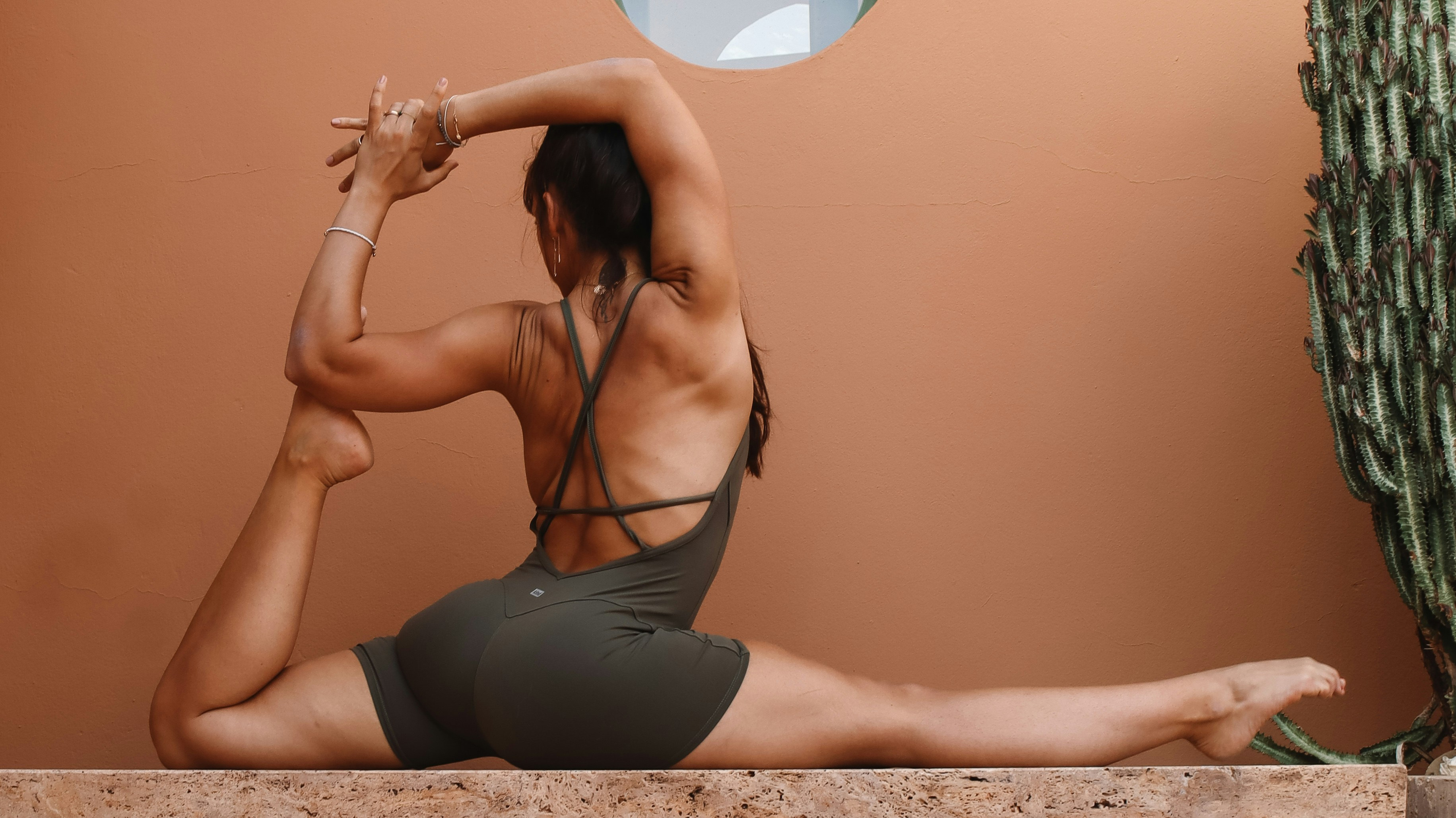
Dynamic movement is what you reach for when stress has been building and your system needs a release. It's active, intentional, and gets things moving through your body. It's not about exhausting yourself. It's about giving the activation somewhere to go.
Vinyasa Yoga flows continuously between poses, synchronizing breath with movement. The Sanskrit roots translate roughly to "placing in a special way," and the practice builds heat through repetition. A 2022 study on office workers found eight weeks of vinyasa practice reduced salivary cortisol levels compared to a control group. Worth noting: the calming benefit of vinyasa shows up most clearly after the practice, not during it. The point is to build heat and discharge it through breath, then let your nervous system settle into the rebound.
Somatic Shaking and TRE (Tension and Trauma Releasing Exercises) work directly with the body's natural tremor response. After a series of light fatiguing exercises, you lie down and let your legs tremor on their own. The trembling is involuntary, and that's the point. You're letting your body do what it would have done in the wild, after a threat passed. A pilot study on caregivers in South Africa found that self-induced therapeutic tremors improved stress, anxiety, and quality of life over a ten-week training program.
Stillness
Stillness is what you reach for when you've been moving fast and need to face what you've been outrunning. It's not relaxation.
It's holding a position long enough that the surface tension drops and you meet what's underneath.
Yin Yoga holds passive poses for three to five minutes at a time. The long holds target connective tissue rather than muscle, and the time spent in each pose creates the conditions for deeper release. It's also a meditation practice in disguise, because staying with discomfort for several minutes asks your nervous system to process what would normally be reflexively avoided. A 2024 randomized controlled trial during the COVID-19 pandemic found that a ten-week yin yoga program significantly reduced state anxiety compared to a control group.
This is the practice that does the most when you do the least. The challenge isn't physical. It's staying with what comes up.
Flow Movement
Flow movement is what you reach for when you feel scattered, disconnected, or out of sync with yourself. It coordinates breath, attention, and body in continuous motion. The practice itself becomes a kind of meditation, with the movement giving the mind something to do so it stops chasing thoughts.
Qigong is an ancient Chinese tradition. The word combines "qi" (life energy) with "gong" (cultivation through practice). Qigong sequences involve slow, flowing movements coordinated with breath and intention. It's especially useful for chronic tension, low energy, and morning routines that need something gentle but activating. A meta-analysis of qigong research found significant reductions in anxiety and depression across multiple clinical populations.
Tai Chi developed in China as a martial art and evolved over centuries into a practice for health and wellbeing. The continuous circular movements are sometimes called standing meditation. You're moving, but the movements are slow enough that they require focused attention, and the focus is what regulates the system. A 2023 meta-analysis found tai chi produces significant improvements in heart rate variability, the same marker we discussed earlier as a measure of nervous system flexibility.
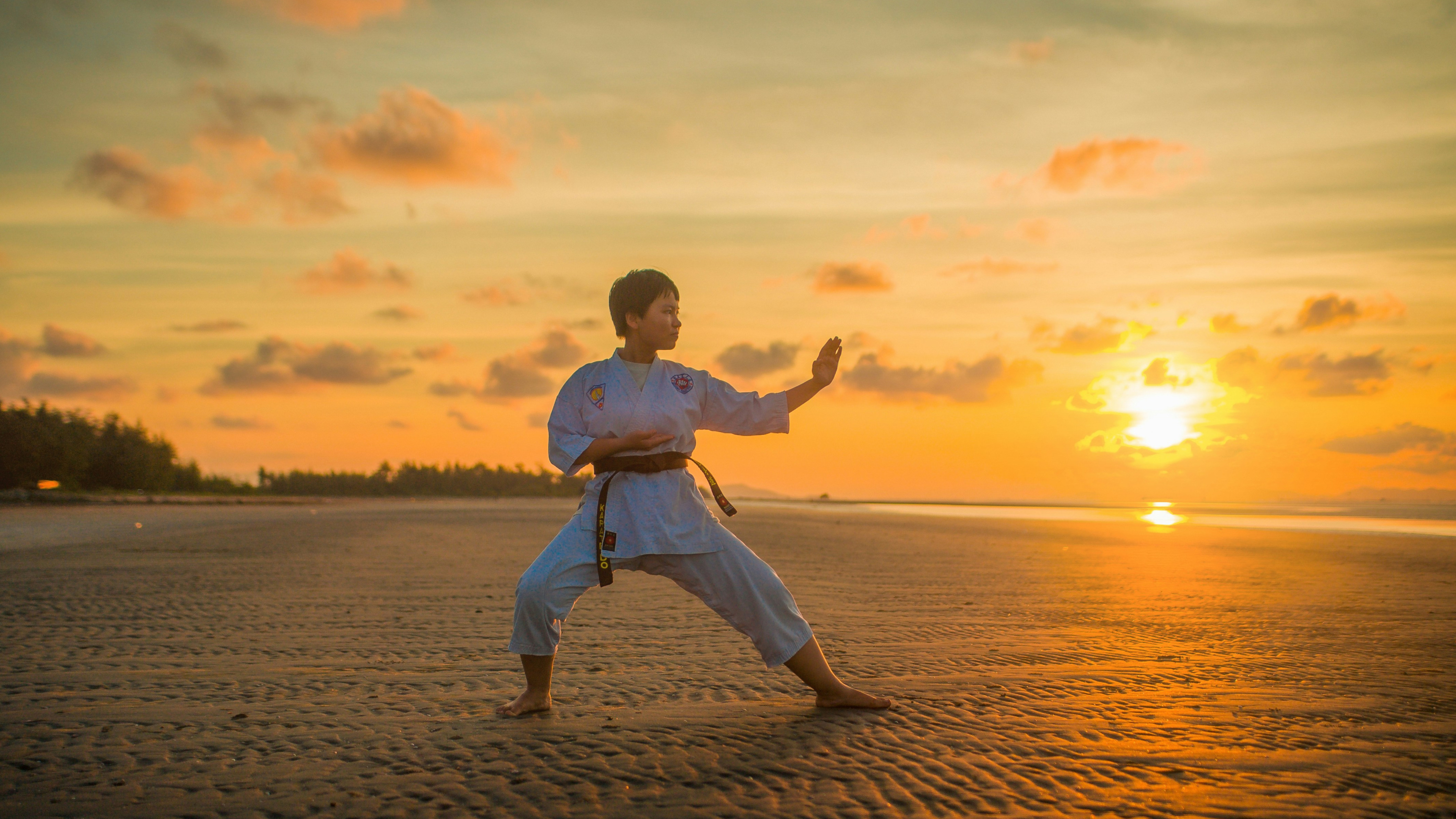
Both practices are accessible at any age and any fitness level. They reward consistency more than intensity.
When the Body Moves on Its Own
About three weeks into a daily Kundalini pranayama practice, my body started moving on its own during meditation. Small movements at first. Body rocks left and right, front to back, my head tilting and rotating, my spine twisting in various directions. The energy from the breathwork would find places where tension had been stuck for years and work them out from the inside.
In the Kundalini tradition, these are called kriyas. The traditional explanation is that prana finds blockages and clears them. A 2022 paper that examined this phenomenon across traditions proposed that the body is engaging in a class of autoregulatory behaviors mediated by the fascia and the subconscious motor system.
This shows up across traditions that developed independently. Spontaneous qigong, called zifagong, describes the same kind of movement during qigong practice. Somatic shaking and TRE work with the same underlying neurogenic tremors. Different cultures, same phenomenon: the body moving itself to release what it's been holding.
The seven techniques in this article offer your body that same opportunity, made deliberate and structured.
How to Choose the Right Movement Practice
The right nervous system regulation exercises depend on what your body is asking for today.
Start by checking in. Before you do anything else, sit for a moment and notice. Are you wired and unable to settle, or flat and disconnected? The state you're in tells you which quality of movement to reach for.
If you're activated and need to come down, start with gentle movement. Restorative yoga or EFT tapping. The goal isn't to do anything ambitious. It's to give your nervous system permission to slow down.
If you're holding stress that needs to discharge, dynamic movement is the right choice. Vinyasa or somatic shaking. You're not trying to exhaust yourself. You're trying to give the activation somewhere to go.
If you've been running from something and need to face it, stillness is the practice. Yin yoga is the most direct entry point.
If you're scattered or disconnected from yourself, flow movement brings you back. Qigong or tai chi will do the work.
Short sessions practiced regularly do more than long sessions practiced rarely. Five to fifteen minutes a day, most days, will regulate your system. The nervous system learns through repetition.
Movement is one of four ways your nervous system regulates. The other three are breathwork, meditation, and journaling. Some days movement is exactly what you need. Other days, your body is asking for something else, and forcing yourself through a movement practice when your system needs breathwork or rest will leave you frustrated. Knowing what your body needs on any given day is its own skill, and it's exactly the skill Breathtaking is built around.
Movement Works Best as Part of a Bigger Practice
Movement is powerful, but it's not the whole picture. A nervous system that's been dysregulated for years usually needs more than one modality to fully regulate. Some days you need one, some days another.
This is why I built Breathtaking. It's a nervous system regulation app that figures out your personality type, checks in with how you're feeling, and recommends the modality your system needs most right now. Read how Breathtaking builds your weekly practice or start regulating your nervous system with Breathtaking.
Closing Thought
Your body holds wisdom that the mind has forgotten. Stress, tension, activation that never got to discharge, all stored in the tissues, waiting for release.
Movement is a great way to help your body release what it's been holding. The right practice depends on what you're carrying today. If you're activated, gentle movement to come down. If you're holding stress that needs out, dynamic movement to discharge it. If you've been running from something, stillness to face it. If you're scattered, flow movement to bring you back. Start with what your body is asking for, and trust that it knows.
Frequently Asked Questions About Nervous System Regulation Exercises
What are nervous system regulation exercises?
Nervous system regulation exercises are practices that help your body shift between states of activation and rest. They work through four main modalities: breathwork, meditation, movement, and journaling. Each modality addresses a different layer of how your nervous system holds and releases stress. Movement specifically works by discharging stored activation, rebuilding your body awareness, and signaling safety to your brain through slow, intentional motion.
What's the difference between movement and exercise for the nervous system?
Exercise is usually about performance, fitness, or burning calories. Movement for nervous system regulation is about giving your body what it needs in the moment. A high-intensity workout can leave an already-activated nervous system more wired, not less. Slow, breath-coordinated movement signals safety and shifts you toward rest. The goal isn't intensity. It's matching the quality of movement to the state you're in.
Can yoga regulate your nervous system?
Yes, but the style matters. Restorative yoga and yin yoga shift you toward the parasympathetic state through long, supported holds. Vinyasa builds heat and discharges activation, with the calming effect showing up after the practice. Research has shown that yoga and other mind-body practices produce measurable improvements in heart rate variability, a marker of nervous system flexibility. Pick the style that matches what your body is asking for.
Can movement alone heal a dysregulated nervous system?
Movement is powerful but rarely the complete picture for someone whose nervous system has been dysregulated for years. The deeper work usually combines movement with breathwork, meditation, and journaling. Each modality reaches a layer the others can't. For chronic dysregulation, working with a therapist or somatic practitioner alongside a daily practice is often what creates lasting change.
How long do nervous system regulation exercises take to work?
Some effects show up immediately. Five to fifteen minutes of breathwork or gentle movement can shift your state in real time. Lasting change takes longer. Most clinical research on nervous system regulation exercises uses 8-week protocols and finds consistent benefits with daily practice. Five to fifteen minutes a day, most days, will do more than longer sessions practiced inconsistently.

Alex is the founder of Breathtaking and a former Google Engineer and Product Manager. After experiencing burnout, he spent six months rebuilding himself through breathwork, meditation, and ancient philosophy. He now builds tools to help others do the same.